Introduction
Garbage trucks play a crucial role in waste management by collecting and transporting solid waste from residential, commercial, and industrial areas to disposal sites. The waste transfer process involves various steps, including collection, transportation, and disposal. Efficient waste transfer is essential to ensure the proper management of solid waste and minimize the environmental impact of waste disposal. This article explores the strategies, challenges, and solutions associated with garbage truck waste transfer.
Overview of Garbage Truck Waste Transfer
Garbage truck waste transfer is a complex process that involves the collection of solid waste from various sources and its transportation to designated disposal sites. The process typically begins with the collection of waste from residential areas, commercial establishments, and industrial facilities. Garbage trucks, also known as waste collection vehicles, are used to collect the waste and transport it to transfer stations or landfills.
Types of Garbage Trucks
There are several types of garbage trucks used for waste collection and transfer. The most common types include:
1. Rear Loader Trucks: These trucks have a hydraulic mechanism that lifts and empties dumpsters into the rear of the truck.
2. Front Loader Trucks: Front loader trucks use mechanical arms to pick up and empty large dumpsters into the front of the truck.
3. Side Loader Trucks: Side loader trucks have a mechanical arm that lifts and empties dumpsters from the side of the truck.
4. Roll-Off Trucks: Roll-off trucks are used to transport large open-top containers to and from construction sites and other locations.
Each type of garbage truck has its advantages and is suitable for specific waste collection and transfer requirements.
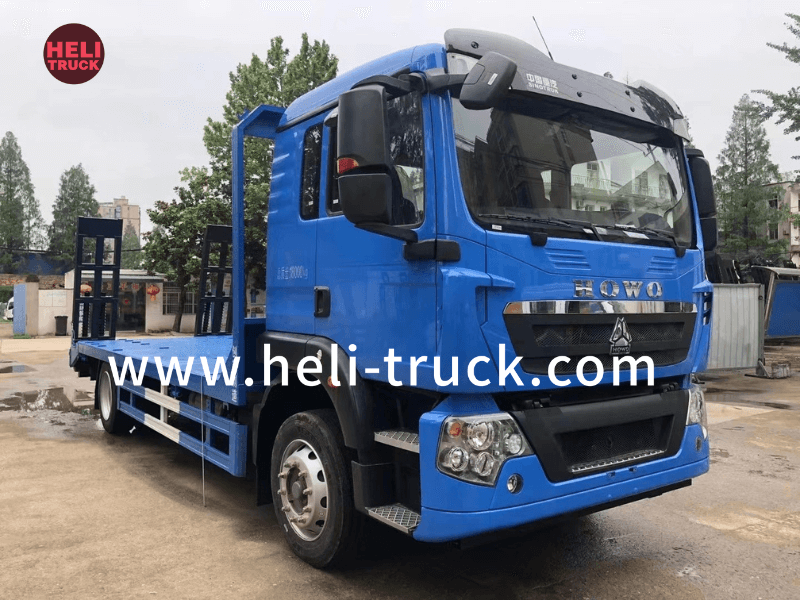
Vacuum truck waste disposal standards for Efficient Waste Transfer
Efficient waste transfer is essential to ensure the timely and cost-effective disposal of solid waste. Several strategies can be implemented to improve the efficiency of garbage truck waste transfer:
1. Route Optimization: Garbage truck routes should be optimized to minimize travel time and fuel consumption. Using GPS technology and route planning software can help identify the most efficient routes for waste collection and transfer.
2. Fleet Management: Proper maintenance and management of garbage truck fleets are essential to ensure their optimal performance. Regular inspections, servicing, and repairs can help prevent breakdowns and delays in waste transfer operations.
3. Containerization: Using standardized containers for waste collection can streamline the transfer process and improve efficiency. Containers should be properly labeled and sized to accommodate different types of waste.
4. Transfer Station Design: Well-designed transfer stations can facilitate the efficient transfer of waste from garbage trucks to larger transport vehicles. The layout of transfer stations should allow for easy access and movement of waste containers.
5. Staff Training: Proper training of waste management staff is crucial to ensure the safe and efficient handling of solid waste during transfer operations. Staff should be trained in waste segregation, handling procedures, and safety practices.
Challenges in Garbage Truck Waste Transfer
Despite the importance of efficient waste transfer, several challenges can hinder the smooth operation of garbage truck waste transfer:
1. Traffic Congestion: Traffic congestion can delay garbage truck routes and lead to inefficient waste transfer operations. Congested roadways can increase travel times and fuel consumption, impacting the overall cost of waste management.
2. Illegal Dumping: Illegal dumping of waste can pose a significant challenge to garbage truck waste transfer. Improper disposal of waste can contaminate the environment, attract pests, and create health hazards for communities.
3. Limited Disposal Capacity: Landfill capacity is limited in many areas, leading to challenges in finding suitable disposal sites for solid waste. As landfill space diminishes, alternative waste disposal methods, such as recycling and composting, become increasingly important.
4. Environmental Impact: Garbage truck waste transfer can have a negative environmental impact due to air and noise pollution. Emissions from garbage trucks contribute to air pollution, while noisy operations can disrupt communities near waste transfer facilities.
5. Inadequate Infrastructure: Inadequate waste transfer infrastructure, such as transfer stations and recycling facilities, can hinder the efficient management of solid waste. Insufficient infrastructure can lead to bottlenecks in waste transfer operations and result in delays and inefficiencies.
Solutions to Garbage Truck Waste Transfer Challenges
Addressing the challenges associated with garbage truck waste transfer requires a multi-faceted approach involving stakeholders at various levels. Several solutions can help improve waste transfer operations and mitigate the challenges faced by waste management systems:
1. Public Awareness Campaigns: Educating the public about proper waste disposal practices can help reduce illegal dumping and promote waste segregation. Public awareness campaigns can encourage communities to recycle, compost, and dispose of waste responsibly.
2. Investment in Infrastructure: Investing in waste transfer infrastructure, such as transfer stations, recycling facilities, and composting sites, can improve the efficiency of waste management systems. Upgrading existing infrastructure and building new facilities can help meet the growing demand for waste transfer services.
3. Technology Integration: Leveraging technology, such as GPS tracking, route optimization software, and smart waste bins, can enhance the efficiency of garbage truck waste transfer. Technology solutions can help monitor waste collection routes, track vehicle performance, and optimize waste transfer operations.
4. Collaboration and Partnerships: Collaboration among government agencies, waste management companies, and community organizations is essential to address waste transfer challenges effectively. Partnerships can facilitate information sharing, resource pooling, and coordinated efforts to improve waste management practices.
5. Regulatory Measures: Implementing and enforcing regulations related to waste management can help address issues such as illegal dumping, environmental pollution, and inadequate waste disposal capacity. Regulatory measures can include fines for illegal dumping, emission standards for garbage trucks, and incentives for recycling and composting.
Conclusion
Garbage truck waste transfer is a critical component of waste management systems, ensuring the timely and proper disposal of solid waste. Efficient waste transfer requires the implementation of strategies to optimize garbage truck routes, maintain fleet performance, and improve waste transfer operations. Despite the challenges associated with waste transfer, solutions such as public awareness campaigns, infrastructure investment, technology integration, collaboration, and regulatory measures can help address these challenges and promote sustainable waste management practices. By adopting a holistic approach to waste transfer, stakeholders can work together to achieve efficient and environmentally responsible waste management systems.